

Herbs for Altitude Adjustment: Natural Ways to Support Your Body at Elevation

High altitude has a way of making itself known. What once felt easy may suddenly feel ambitious. The views are incredible, but your body is quietly recalibrating behind the scenes.
As oxygen levels drop, the body has to work harder to do what once felt effortless. During the acute stage of ascent, it is common to experience fatigue, head tension, nausea, dizziness, or shortness of breath, especially in high altitude areas above 8,000 feet. These sensations are not a sign that something is wrong. They are simply signals that your body is adjusting.
For centuries, people living in mountainous regions across South America and Asia have turned to herbal medicine and medicinal plants to support this transition. Rather than forcing the body to adapt, these natural remedies were traditionally used to support circulation, breathing, and oxygen use while the body finds its rhythm at elevation.
What Happens to Your Body at High Altitude
At sea level, oxygen levels are plentiful. As altitude increases, air pressure decreases, meaning fewer oxygen molecules are available with each breath. This shift prompts the body to begin a natural adjustment process as it responds to lower oxygen availability.
During this period, breathing rate and heart rate may increase as the body works to move oxygen more efficiently. Blood vessels may widen to support healthy blood flow, and over time, the body may increase red blood cell production to help transport oxygen throughout the system. These changes are part of normal altitude adaptation and can take several days to stabilize.
While the body adjusts, some people experience mild, temporary symptoms such as head tension, fatigue, dizziness, nausea, shortness of breath, or changes in sleep. These sensations commonly appear within the first 24 to 48 hours at altitude and often ease as acclimation continues.
In rare cases, altitude-related discomfort can progress into serious medical conditions such as high altitude pulmonary edema or high altitude cerebral edema, also referred to as high altitude pulmonary edema or cerebral edema. These conditions are medical emergencies that require immediate professional care and descent. Chronic mountain sickness may also occur with prolonged exposure to high altitude and should be managed by a qualified healthcare provider.
Ginkgo Biloba for Blood Flow and Brain Function
Ginkgo biloba is one of the most well-known medicinal plants used for circulation and brain function. In both traditional Chinese medicine and modern herbal medicine, ginkgo has been valued for its ability to support blood flow and healthy blood vessels.
At high altitude, improved circulation plays an important role in oxygen delivery to the brain and body. Ginkgo biloba supports healthy blood flow by encouraging blood vessels to relax and widen, which may help provide relief from head tension, brain fog, and dizziness.
Ginkgo works best when taken consistently before reaching high altitude rather than waiting for discomfort to appear.

Rhodiola Rosea for Fatigue and Altitude Adaptation
Rhodiola rosea grows in cold, high-altitude environments and has been used for centuries in traditional systems to support energy, endurance, and resilience. This adaptogenic herb helps the body adjust to stress, including low oxygen levels.
Rhodiola rosea and rhodiola crenulata extracts have been studied for their role in supporting oxygen use at the cellular level, particularly in skeletal muscle. This may help combat fatigue and support physical performance when oxygen availability is limited.
It is commonly paired with other herbs and dietary supplements to support stamina, focus, and recovery.
Cordyceps for Oxygen Use and Heart Function
Cordyceps has a long history of use in traditional Chinese medicine, particularly among people living in high-altitude areas. This medicinal fungus is traditionally used to support lung function, heart function, and stamina.
Basic research suggests cordyceps may support how the body converts oxygen into usable energy at the cellular level. When oxygen levels drop, efficient oxygen use becomes increasingly important. Cordyceps is often used by athletes and travelers to help the body utilize more oxygen during exertion.
Cordyceps is commonly included in dietary supplements designed to support circulation, endurance, and altitude adaptation.
Coca Leaf and Traditional Use in South America
In South America, coca leaves have been used traditionally for thousands of years by people living at extreme altitudes. Coca leaf tea and whole coca leaves are commonly offered to travelers in high altitude regions to help support comfort during the acute stage of altitude adjustment.
Traditional use of cacao leaf focuses on supporting circulation, energy, and breath. While coca leaves permit unrestricted use in some countries, they are restricted elsewhere. Traditional preparations involve the whole leaf, not isolated compounds.
Coca leaf use remains deeply tied to cultural practices in mountainous regions and is an example of how natural medicines evolved alongside human adaptation to altitude.
Beet Juice, Nitric Oxide, and Circulation
Beet juice supports altitude adaptation by increasing nitric oxide availability. The body converts naturally occurring nitrates in beets into nitric oxide, which helps blood vessels relax and expand.
Improved blood flow may support oxygen delivery during periods of low oxygen and soothe feelings of fatigue. Research suggests beet juice may help improve circulation and exercise tolerance at high altitude, especially when used consistently before ascent.
Beet juice is often combined with herbs, vitamin C, and vitamin E as part of a broader altitude wellness strategy.
Chlorophyll for Oxygen Support and Altitude Adaptation
Chlorophyll is the green pigment found in plants that allows them to capture light and convert it into energy. While it is best known for its role in photosynthesis, chlorophyll has also been explored in herbal and nutritional traditions for its supportive relationship to oxygen and circulation.
At high altitude, where oxygen availability is reduced, chlorophyll-rich foods and supplements are often used to support the body during periods of low oxygen. Chlorophyll’s molecular structure closely resembles hemoglobin, the compound in red blood cells responsible for carrying oxygen. Because of this similarity, chlorophyll has long been associated with supporting healthy blood oxygen processes and overall vitality.
Chlorophyll is commonly used to support the body’s natural adjustment to low oxygen levels, promote efficient oxygen transport, and encourage overall resilience during physical and environmental stress.
As with many natural remedies, chlorophyll is typically used consistently before and during time spent at high altitude rather than only after discomfort appears.
Hydration and Nutrition at Altitude
Staying hydrated is one of the most important aspects of altitude adaptation. Dry air, increased breathing, and physical activity all contribute to fluid loss, even when you do not feel especially thirsty. Dehydration can intensify altitude-related discomforts such as head tension, brain fog, dizziness, and nausea.
Aim to sip fluids consistently throughout the day rather than waiting until thirst sets in. Monitoring urine color can offer a simple cue for hydration needs. Alcohol and excess caffeine tend to increase fluid loss and are best limited during the first few days at altitude.
A simple hydration upgrade is to add liquid chlorophyll or beet juice to your water. Both are commonly used to support circulation and oxygen delivery, and they can make staying hydrated feel more intentional and supportive during time spent at elevation.
Nutrition matters, too. Carbohydrates provide efficient energy at high altitude, as the body uses carbs more easily than fats when oxygen is limited. Iron-rich foods support red blood cells and oxygen transport, while light, nourishing meals are often better tolerated during the acute stage of adjustment.
Gradual Ascent Still Matters Most
No herb, medication, or dietary supplement can replace the importance of gradual ascent. Limiting elevation gain allows the body time to adjust.
Climbing slowly, resting regularly, and listening to your body are foundational to altitude adaptation. Herbs and natural remedies are best used as part of a combination approach that includes hydration, nutrition, and pacing.
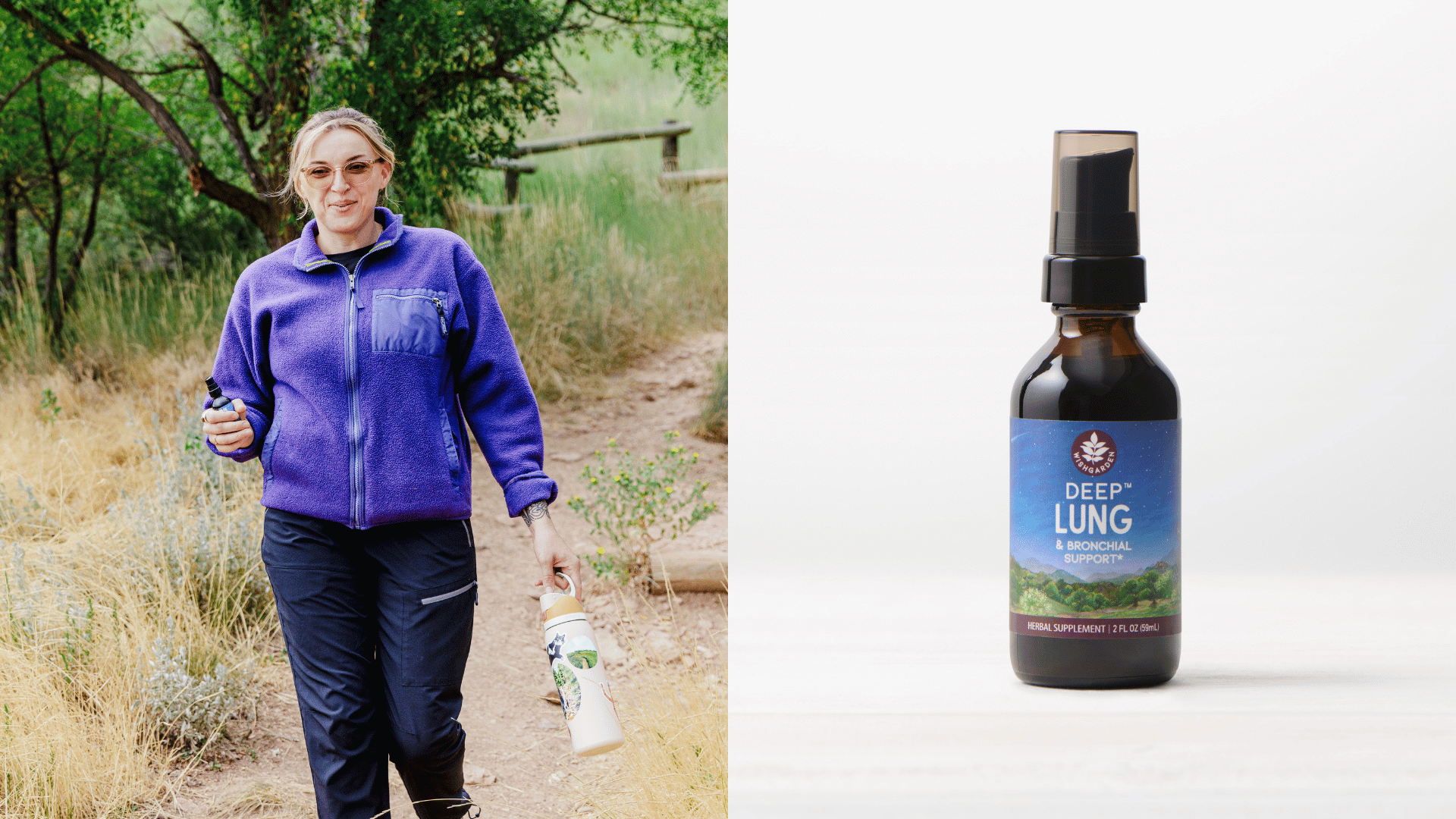
WishGarden Formulas That Support Altitude Wellness
WishGarden formulas are crafted for real-life moments, including time spent at high altitude. Each blend brings together herbs traditionally used to support circulation, breath, energy, and overall resilience as the body adapts to changes in oxygen availability.
Deep Lung & Bronchial Support: This formula features herbs traditionally used to support comfortable breathing and lung function, including plants long valued by people living in mountainous regions. It is often reached for when air feels thin, breath feels shallow, or physical activity feels more demanding at altitude.
Genius Juice: Genius Juice includes Ginkgo biloba and supportive herbs traditionally used to promote healthy blood flow and brain function. Many people use it when mental clarity feels harder to access, especially during altitude adjustment when circulation and oxygen delivery are working overtime.
Chlorophyll & Friends: Chlorophyll & Friends combines liquid chlorophyll with supportive plant allies to nourish the body during times of increased demand. Chlorophyll is often used to support oxygen-related processes, circulation, and overall vitality, making it a natural fit for altitude adaptation. This formula is commonly added to water to support hydration while gently supporting the body’s adjustment to lower oxygen levels.
Liquid tinctures allow for fast absorption and flexible use, which can be especially helpful during travel and changing conditions. Many people incorporate these formulas proactively, starting before ascent and continuing through the first days at altitude.
Supporting the Body Through the Altitude Experience
Altitude is not something to conquer. It is something to move with. As oxygen levels shift, the body begins a quiet, intelligent process of adjustment, one that asks for time, nourishment, and support rather than force.
Herbs for altitude adjustment have long been part of this relationship between people and place. From circulation-supporting plants to adaptogens and chlorophyll-rich allies, these natural remedies were traditionally used to support breath, energy, and resilience while the body finds balance at elevation. When paired with hydration, nourishing food, gradual ascent, and rest, herbs become part of a broader rhythm that supports altitude adaptation.
With thoughtful preparation and a little plant wisdom, time spent at high altitude can feel less like a struggle and more like a conversation between your body and the landscape around you. The goal is not to rush the process, but to support it, so you can stay present for the views, the movement, and the experience that brought you to the mountains in the first place.
Rebecca Younger is passionate about herbs and women's health. She aspires to plant seeds of inspiration within her community about plant medicine and healthier ways of life. She studied Herbal Medicine at Herbalism Roots in Denver and is a certified Doula through the Matrona Foundation. She is the Brand Communications Specialist at WishGarden Herbs.
For educational purposes only. This information has not been evaluated by the Food and Drug Administration. This information is not intended to diagnose, treat, cure, or prevent any disease, or to sell any product.


