

Postpartum Cramping and Contractions: How to Find Relief Naturally

You just did the hardest, most incredible thing a human body can do. Now your baby is in your arms, and it's time to sink into those warm newborn snuggles and exhale.
But your body still has more work to do. After birth, hormone levels drop, and your uterus begins contracting back to its pre-pregnancy size. That process can send deep, cramping waves through your lower belly, which most people call afterbirth contractions.
They're incredibly common, and yet almost no one talks about them. For something that can genuinely interrupt those first tender moments with your baby, they deserve a lot more airtime.
Here's what's actually happening in your body after birth, why afterpains tend to intensify with each pregnancy, how to tell normal from something worth calling your provider about, and how herbal support can help you find comfort faster.
What Are Postpartum Contractions, Exactly?
After giving birth, your uterus needs to shrink from about the size of a watermelon back down to its pre-pregnancy size, which is roughly the size of your fist. Right after childbirth, your uterus weighs about 2.5 pounds. By about six weeks postpartum, it returns to its normal size and weighs just 2 ounces. That whole process is called involution, and it happens through uterine contractions, which are the same kind of contractions that helped bring your baby earthside, just smaller and shorter.
These afterbirth pains serve a critical purpose: they compress the blood vessels where your placenta was attached, which keeps bleeding levels healthy. Your body is essentially closing up shop in the most efficient way it knows how.
Breastfeeding triggers the release of the hormone oxytocin, which is the same one that drives labor contractions. That's why postpartum cramping often spikes right when you are trying to nurse. It is your body's clever feedback loop: baby latches on, oxytocin flows, the uterus contracts, and healing accelerates. The postpartum period is full of these quiet, purposeful processes your body runs entirely on its own.
Postpartum contractions are a normal sign that your body is doing exactly what it should, even when the discomfort becomes intense.
Many parents say afterbirth pains feel similar to menstrual cramps, though the intensity can vary widely. Understanding why they happen does not make them easier at 2 a.m. when you are sleep-deprived, figuring out a comfortable nursing position, and trying to keep a tiny human alive simultaneously. That is why postpartum care matters just as much as pregnancy care.
Why Afterbirth Contractions Get Worse With Each Baby
Postpartum cramping tends to intensify with each subsequent pregnancy, and that catches a lot of second-time (and third-time, and fourth-time) parents off guard. If your first postpartum experience was relatively manageable, your second or third may feel like an entirely different situation.
Here's why: With each pregnancy, your uterine muscles stretch a bit more. After giving birth multiple times, your uterus has to work harder to contract back to its normal size because the muscle tone has decreased over time. Think of it like a rubber band that has been stretched several times. It still snaps back, but it takes more effort.
First-time parents often describe these contractions as mild menstrual cramps. Parents on baby number two or three? Many describe them as genuinely intense, sometimes rivaling early labor contractions. That is not an exaggeration. The physiology backs it up completely.
This is one reason herbal support has long been part of traditional postpartum care routines. Many herbs have historically been used to support comfort, recovery, and overall well-being during the postpartum period.
Normal vs. When to Call Your Healthcare Provider
Postpartum contractions are normal. Some other postpartum symptoms are not. Knowing the difference matters for your recovery and your peace of mind.
Normal afterbirth pains look like:
- Cramping in the lower abdomen, similar to menstrual cramps
- Cramping that spikes during breastfeeding, especially in the first 2 to 3 days after birth
- Contractions that gradually ease up over a few days to about a week
- Mild vaginal discharge (lochia) that transitions from red to pink to yellow-white over a few weeks
Contact your doctor or healthcare provider right away if you experience:
- Severe pain or extreme pain that does not respond to medication or herbal support
- Heavy bleeding
- Fever
- Foul-smelling vaginal discharge
- Chest pain or trouble breathing, which always warrants immediate medical attention
- Pain or swelling in your legs, which can indicate a serious condition like a blood clot
- Symptoms of postpartum depression, including persistent sadness, anxiety, or feeling disconnected from your baby
Your postpartum checkups exist for exactly this reason. Do not hesitate to contact your provider between visits if something feels off. Trust your instincts because you know your body best.
The Herbs Behind AfterEase (And Why They Work so Well Together)
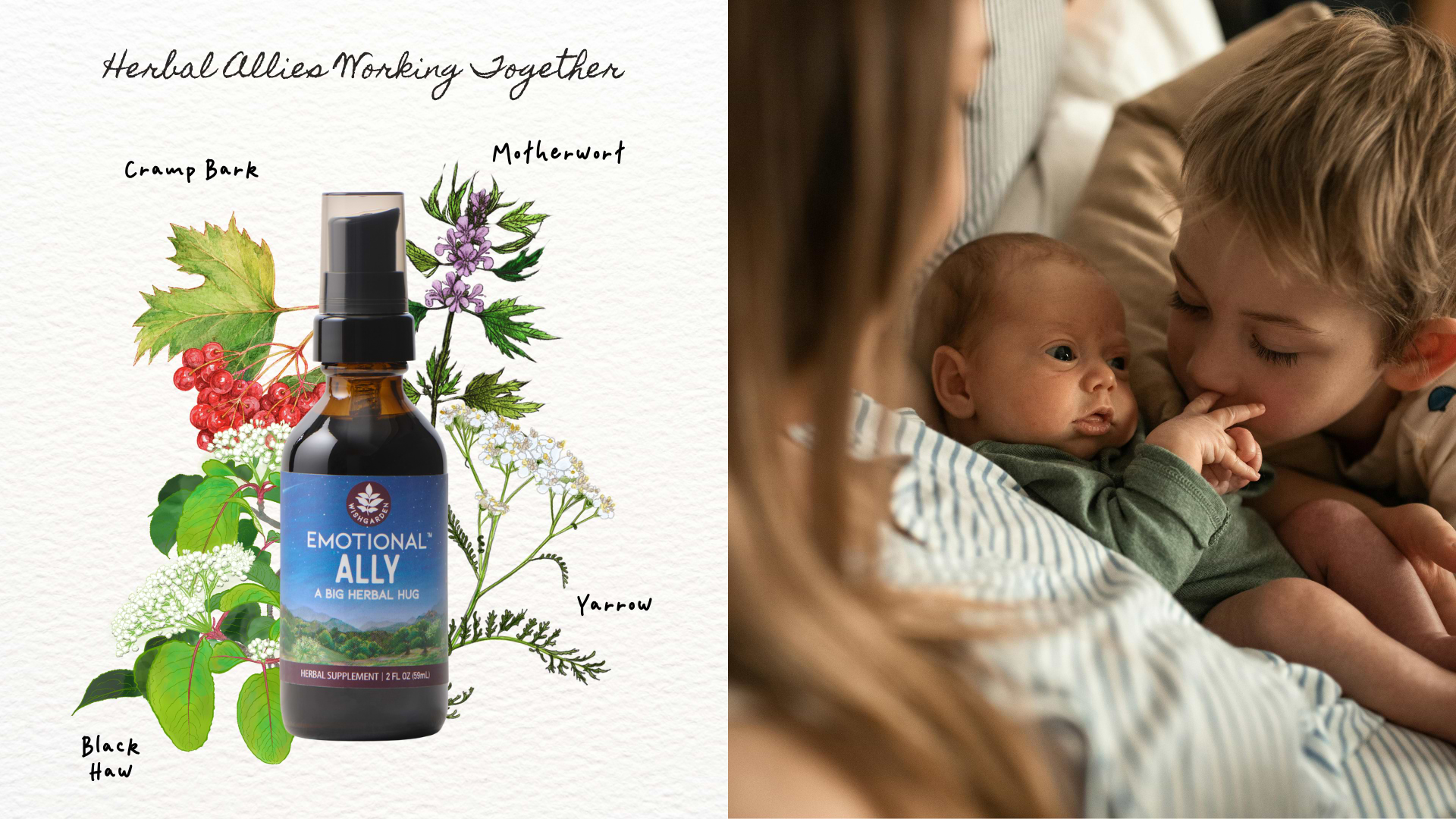
When WishGarden founder Catherine Hunziker formulated AfterEase, she did what any good midwife does: she thought about supporting the body from every angle. A trained midwife and lifelong herb nerd, Catherine chose four plants that each bring something distinct, working together the way a skilled birth team does.
Cramp Bark: The Uterine Relaxant
Cramp Bark (Viburnum opulus) does exactly what its name promises. Herbalists have relied on it for centuries as a go-to for supporting comfort during uterine and muscular cramping. It works by helping smooth muscle tissue relax, which is precisely the kind of muscle your uterus is made of. When postpartum contractions feel physically intense, cramp bark is the herb that helps dial things back a few notches.
Black Haw: The Women's Herb
Black Haw (Viburnum prunifolium) is cramp bark's botanical cousin, and the two are even more effective when they work as a pair. Black haw has a long tradition in women's herbal support, particularly for encouraging uterine comfort and ease during the postpartum window. Together, these two plants create a complementary combination that herbalists and midwives have trusted for a very long time.
Motherwort: The Mother's Herb
Motherwort (Leonurus cardiaca) has "mother" right in the name, and that is not a coincidence. Traditionally known as the "mother's herb," motherwort has been used for centuries to support new mothers through the emotional and physical intensity of the postpartum period. It helps encourage calm in both the body and the nervous system, which is helpful when cramping is layered on top of sleep deprivation, baby blues, and the general overwhelm of new parenthood.
Yarrow: The Recovery Herb
Yarrow (Achillea millefolium) rounds out the formula as a traditional recovery herb. Named after the Greek hero Achilles, who reportedly used it to support his soldiers, yarrow has been valued across cultures for its role in supporting the body's natural healing processes. In the context of postpartum recovery, yarrow complements the other three herbs by supporting healthy circulation and overall comfort during those critical early days after giving birth.
Other Natural Ways to Ease Discomfort
AfterEase works best as part of your whole postpartum care routine. Here are some complementary strategies that midwives and doulas commonly recommend during recovery:
- Heat therapy. A heating pad on your lower belly can make a real difference when contractions spike. Keep one at your nursing station and apply it during and after breastfeeding sessions, when postpartum contractions tend to be most intense. Warm water from a bath or shower can also help your muscles relax and ease discomfort.
- Gentle massage. Gently massaging your lower abdomen in slow, circular motions can help encourage uterine comfort and support your body as it contracts back to its pre-pregnancy size. Many postpartum doulas incorporate belly massage into their care routines.
- Practice deep breathing. When a contraction hits mid-nursing session, practice deep breathing. Try the same slow, focused breaths that helped during labor. It helps your body relax into it rather than tense up against it. Deep breathing also helps regulate your nervous system during the intensity of early postpartum.
- Position and a full bladder check. Changing your nursing position can help. Some parents find that lying on their stomach with a pillow under the lower belly eases pressure. A full bladder can make postpartum cramping feel worse, so empty it frequently, especially during those first days after birth.
- Stool softeners and hydration. Drink lots of water. Bowel movements after vaginal delivery or C-section can be uncomfortable, and staying hydrated while eating whole grains and fiber helps keep things moving.
- After birth, a Sitz bath. For soreness around the vaginal opening or anal area after a vaginal birth, sitz baths help to soothe and heal the area.
How to Use AfterEase (Dosing, Timing, and Practical Tips)
AfterEase comes in two formats, so you can pick what works for your postpartum setup:
- The 2oz Pump is perfect for bedside or nursing-station use. One-handed dosing when you have a baby latched is a necessity. This is the one most first-time buyers reach for.
- The 4oz Jigger is the value size, ideal if you are on baby number two or three (when afterpains tend to be more intense and last longer), or if you simply want to make sure you will not run out during those first couple of weeks.
How to take it: To achieve in-the-moment results, take one serving of AfterEase drops in a little water; repeat serving as needed. Think ‘enough volume here to get the job done’. Volume needs differ from person to person based on their constitution and the issue at hand.
Initially, take the suggested amount in a small amount of water, juice, or tea to taste. With familiarity, it can be taken directly for convenience.
AfterEase uses organic, gluten-free alcohol to extract and preserve the herbal goodness. Its traditional and highly effective method. The finished product contains about as much alcohol per serving as a kombucha. It is breastfeeding-friendly and has been used safely by nursing parents for decades.
Always reach out to your doctor or health practitioner before adding any herbal remedies to your health regimen, especially if you take prescription medications, have a complicated medical history, or are pregnant or nursing.
Postpartum Recovery Support Beyond Cramping
Postpartum is not just about cramping. Your body is navigating a complete hormonal shift, possible hair loss, sleep disruption, milk supply changes, and emotional waves that can range from pure bliss to baby blues to something that might need professional support. Herbalism does not replace that professional care, but it can be a meaningful part of how you show up for yourself during recovery.
A few additions worth knowing about:
- Postpartum depression is common, real, and treatable. If you are experiencing persistent sadness, anxiety, rage, or disconnection after giving birth, please reach out to your healthcare provider. Herbal support for mood and nervous system ease can be part of your toolkit, but postpartum depression deserves dedicated clinical support.
- Weight loss and nutrient support. If you are breastfeeding, your body needs adequate nutrition to support both you and your baby. This is not the time for aggressive weight loss; focus on nourishment, hydration, and gentle movement as your body heals.
- Immune and energy support. Sleep deprivation takes a real toll. Adaptogenic herbs and immune-supportive formulas can help your body maintain resilience during those exhausting early weeks.
An Upgrade to Your Postpartum Bag
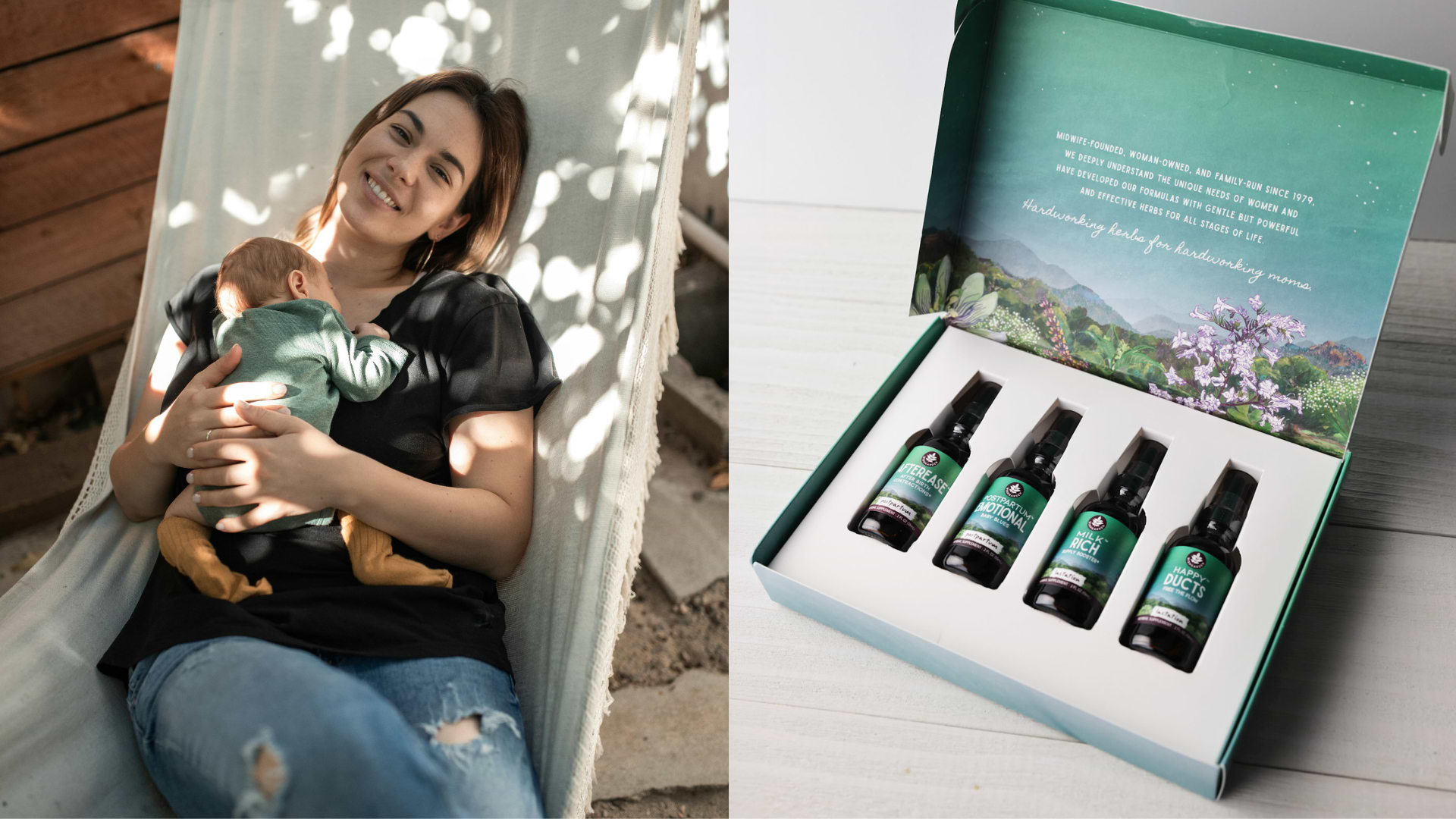
If you are building a postpartum care kit, AfterEase belongs in it right next to the giant pads and the comfy socks. For even more postpartum support, our Postpartum Bundle pairs AfterEase with three other favorites: support for baby blues, milk supply, and nursing comfort, all in a gift-ready box.
I believe the best gift for a new parent is not another onesie. It is something that actually helps them feel better and supports their navigation through postpartum challenges.
FAQs: Your Postpartum Contractions Questions, Answered
How long do postpartum contractions last?
Most parents experience afterbirth contractions for 2 to 7 days after birth, with the first 2 to 3 days being the most intense. Postpartum contractions typically peak within the first 24 to 48 hours after delivery and ease up significantly by the end of the first week. Some parents notice mild cramping for a few weeks, especially during breastfeeding. Full recovery is when your body returns to its pre-pregnancy size, which takes about six weeks.
Are afterpains worse when breastfeeding?
Yes. Breastfeeding triggers the hormone oxytocin, which causes your uterus to contract. This is actually a normal and important part of your postpartum recovery, even though it does not feel great in the moment. Taking AfterEase about 5 to 10 minutes before nursing can help ease discomfort during those sessions.
Is AfterEase safe while breastfeeding?
Yes. AfterEase was specifically formulated for nursing parents. It is midwife-formulated, breastfeeding-safe, vegan, and gluten-free. It has been used safely by breastfeeding parents for decades. Whether you had a vaginal birth or a C-section, AfterEase is designed for the postpartum period. Please note, it is not designed to be used during pregnancy. Always consult your doctor or health practitioner before taking herbs if you are taking medications or have a complicated medical history.
What herbs are in AfterEase?
Four herbs: Cramp bark, black haw bark, motherwort aerials, and yarrow aerials, extracted with organic gluten-free alcohol and Rocky Mountain artesian spring water. No fillers, no preservatives, no artificial anything.
When should I contact my doctor?
Postpartum contractions are normal, but some symptoms warrant immediate attention. Contact your healthcare provider right away if you experience severe pain that does not respond to medication, heavy bleeding, fever, foul-smelling vaginal discharge, chest pain, trouble breathing, or any other symptoms that feel wrong. Do not wait for your postpartum checkups if something feels off.
The WishGarden Difference
AfterEase didn't come from a product development lab. It came from a midwife's kitchen in Boulder, Colorado, in the late 1970s, when WishGarden founder Catherine Hunziker started making herbal formulas for the birth workers and mothers in her community. She wasn't trying to build a brand. She was trying to help women feel better during one of the most vulnerable and transformative windows of their lives.
Nearly 50 years later, that is still exactly what we are doing.
Postpartum contractions are real. They are normal. And they are not something you should have to white-knuckle through alone, whether this is baby number one or baby number four.
Your body just did something extraordinary. It deserves care that matches that.
AfterEase is how we show up for that moment, and for every tender, exhausting, beautiful day that follows.
Rebecca Younger is passionate about herbs and women's health. She aspires to plant seeds of inspiration within her community about plant medicine and healthier ways of life. She studied Herbal Medicine at Herbalism Roots in Denver and is a certified Doula through the Matrona Foundation. She is the Brand Communications Specialist at WishGarden Herbs.
For educational purposes only. This information has not been evaluated by the Food and Drug Administration. This information is not intended to diagnose, treat, cure, or prevent any disease, or to sell any product.


