

Blue Cohosh Benefits: A Bitter Woodland Plant

Blue cohosh is not the kind of herb that quietly slips into an everyday routine. It tends to enter the picture more intentionally, often within the context of traditional herbal practice and women’s health.
Known botanically as Caulophyllum thalictroides, this bitter woodland plant carries a long and specific history that sets it apart from more commonly used herbs. If you have come across blue cohosh, it is likely in connection with the reproductive system. Through generations of observation, use, and refinement, it continues to hold a distinct place within herbal traditions today.
If you have been exploring blue cohosh, you have probably noticed that it carries a different kind of tone compared to more commonly used herbs. This is a plant that asks for a little more understanding before working with it. That comes from both its long-standing traditional use and the modern conversations around safety concerns and scientific research that continue to evolve.
What Is Blue Cohosh
This herb is a native North American perennial that grows in shaded woodland environments with rich, moist soil. In early spring, bluish green leaves emerge, followed by small yellowish green flowers and eventually the plant’s distinctive deep blue berries. While the above-ground portions are recognizable, blue cohosh root and rhizomes are most commonly used, as these underground structures contain the highest concentration of naturally occurring plant compounds and are central to herbal preparation.
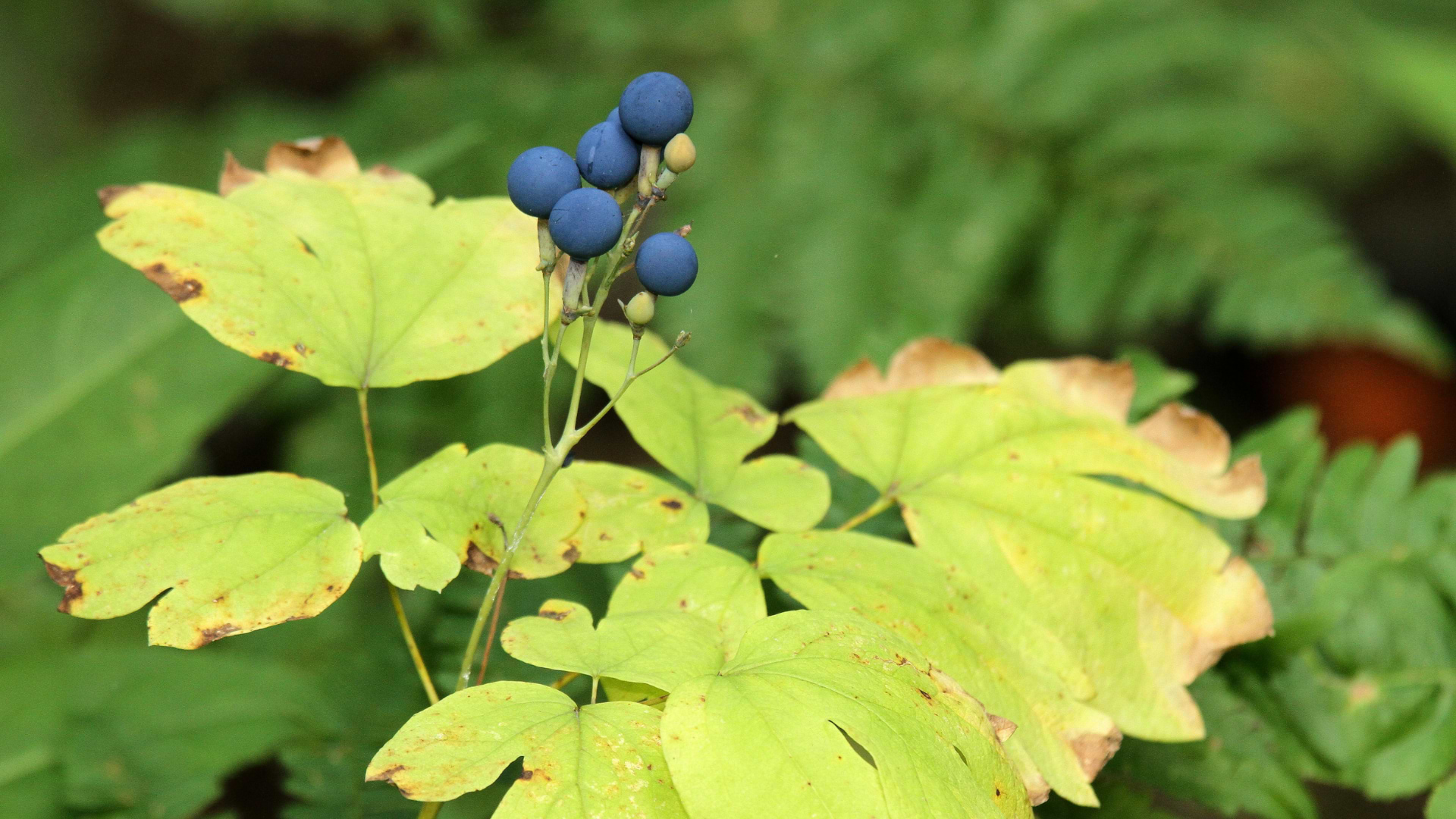
Over time, the plant has been known by several names, including blue ginseng, yellow ginseng, squaw root, and cohosh bleu. The word cohosh is believed to come from an Algonquin Indian word meaning rough, a reference to the texture of the root itself. In herbal discussions, blue cohosh is sometimes mentioned alongside black cohosh. While the two share a name and may appear in similar contexts, they are distinct plants with different traditional roles and energetics. Black and blue cohosh may be combined in certain herbal preparations, each contributing its own qualities, rather than serving as interchangeable herbs.
Blue cohosh also carries an ecological story that is important to acknowledge. It is a slow-growing plant, and increased demand has placed pressure on wild populations. United Plant Savers has identified it as a plant of concern, which makes sourcing a meaningful part of modern herbal practice. Choosing cultivated or responsibly grown blue cohosh supports sustainability while also contributing to more consistent quality in herbal preparations.
A History Rooted in Intention
Blue cohosh has deep roots in North American herbal traditions, particularly among Indigenous communities such as the Cherokee and Iroquois, who worked with the plant as part of their approach to reproductive system balance and cyclical wellness. This relationship was built through generations of direct observation and lived experience, with knowledge passed forward and refined over time.
As herbal knowledge moved into early American practice, blue cohosh was incorporated into the work of Eclectic physicians, who documented its use and included it in formal herbal records. It appeared in early pharmacopeias alongside other valued herbs, reflecting the level of trust practitioners placed in the plant. Across both Indigenous traditions and later herbal systems, blue cohosh consistently appears in connection with reproductive wellness, menstrual flow, and transitional phases within the body.
Folklore adds another layer to this understanding, often describing blue cohosh as a plant associated with movement and transition, particularly during times when the body is shifting or moving through change. Historical references also include its mention in discussions around labor or attempts to induce labor, which are now understood to be considered with great caution.
Traditional Herbal Perspective and Plant Constituents
In traditional Western herbalism, blue cohosh is considered warming and stimulating, with a strong affinity for the reproductive system. Herbalists have traditionally used it to support uterine tone and encourage balanced menstrual flow, particularly in patterns where there is a sense of tension or stagnation. These patterns may include muscle tightness, restricted movement, or cyclical discomfort that feels held rather than flowing.
Blue cohosh has also been included in herbal preparations associated with muscle spasms and, in older traditions, in formulas related to digestive tension.
Blue Cohosh and the Body
Traditional use of blue cohosh centers on its relationship to the reproductive system, but beyond this, the plant has also been discussed in relation to circulation and how the body supports internal movement. Some scientific research explores how compounds in blue cohosh interact with blood vessels and blood flow, as well as how they may relate to blood pressure levels.
Conversations around blood sugar also appear in discussions of blue cohosh, with some sources noting that it may influence blood sugar levels depending on context. Because of this, individuals taking diabetes medication or closely monitoring blood sugar are generally encouraged to consult a healthcare provider before taking blue cohosh.
Certain compounds in blue cohosh relate to oxygen flow and how the body carries blood. In traditional herbal practice, blue cohosh has also been valued for its role in supporting a healthy inflammatory response in the context of muscular and reproductive tension.
How to Use Blue Cohosh
Blue cohosh is typically prepared as a tincture, capsule, or decoction, with liquid extracts being the most common form in traditional herbal preparation because they allow flexibility and can be easily combined with other herbs. Rather than being used as a long-term daily herb, blue cohosh is more often incorporated into shorter-term or cyclical approaches that align with the body’s natural rhythms and specific needs.
When taking this herb, the amount used and the way it is incorporated into a formula depend on the individual, the broader herbal preparation, and the intention behind use. Because of its strength and specificity, it is generally approached with care and awareness. Anyone considering taking blue cohosh is encouraged to consult a qualified healthcare provider, particularly pregnant women or individuals taking medications.

Safety Concerns You Should Know
Blue cohosh, as an herbal preparation, comes with important safety concerns and is not considered a general-use herb. Pregnant women are generally advised not to use blue cohosh unless under the care of a qualified healthcare provider.
Anyone taking prescription medications or with a complicated medical history should consult with their doctor before adding blue cohosh to their health regimen.
Blue Cohosh FAQ
What is blue cohosh?
Blue cohosh (Caulophyllum thalictroides) is a bitter woodland plant native to North America. The root and rhizomes are most commonly used in herbal preparations and have a long history within traditional herbal medicine, particularly in relation to the reproductive system.
What are the traditional blue cohosh benefits?
In traditional herbalism, blue cohosh is considered a uterine tonic. It has been used to support uterine tone, encourage balanced menstrual flow, and support cyclical wellness. It has also appeared in herbal preparations for muscle spasms and occasional menstrual discomfort.
Is blue cohosh the same as black cohosh?
No. Blue cohosh and black cohosh are different plants with distinct traditional uses. Blue cohosh is more closely associated with reproductive system support, while black cohosh is more commonly used in formulas that support menopausal transition. They may be combined in some herbal preparations, but they are not interchangeable.
Is taking blue cohosh safe?
Blue cohosh is not considered a general-use herb and comes with important safety considerations. Pregnant women are generally advised not to use it unless under the care of a qualified healthcare provider. Anyone taking medications, including those for blood pressure or blood sugar, should consult a healthcare provider before use.
Does blue cohosh affect blood pressure or blood sugar?
Some research has explored how compounds in blue cohosh may interact with blood vessels, blood flow, blood pressure, and blood sugar levels. Because of this, individuals who monitor blood sugar closely or take diabetes medication should speak with a healthcare provider before taking blue cohosh.
How should you use blue cohosh?
Blue cohosh is typically used as a tincture, capsule, or decoction. It can be combined with complementary herbs or be used on its own. It's best to be guided by a natural practitioner or doctor for dosing and frequency recommendations.
The Bottom Line on Blue Cohosh
Blue cohosh is a traditional plant with a long history and a very specific place within herbal practice. It is not a general wellness herb and is not typically used without clear intention. Its traditional role as a uterine tonic and its relationship to the reproductive system have been observed across generations, while modern scientific research continues to explore its constituents and raise important safety considerations.
Blue cohosh depends on context, preparation, and understanding. When approached thoughtfully and with appropriate guidance, it can be part of a well-constructed herbal approach. Good herbalism is not about using more herbs, but about using the right herb in the right context with awareness and respect.
Taylor Stewart studied herbal medicine through PrairieWise Herbal School and The Herbal Academy. She’s passionate about sharing the gifts of plant medicine and how herbs can help us live more in tune with our bodies. She is the Practitioner Sales Specialist and a Customer Journey Representative at WishGarden Herbs.
For educational purposes only. This information has not been evaluated by the Food and Drug Administration. This information is not intended to diagnose, treat, cure, or prevent any disease, or to sell any product.


