

Japanese Raisin Tree Health Benefits: A Rare Herb for Liver Support

Reviewed By:

Most people have never heard of the Japanese raisin tree, yet this remarkable botanical has been part of East Asian wellness traditions for centuries. Known scientifically as Hovenia dulcis, this resilient tree produces sweet, edible fruit stems that have earned it a quiet reputation as one of nature’s most intriguing allies for liver support and natural detox.
While its name might bring to mind the humble grape, it offers something altogether unique. Herbalists have long valued it for its ability to help the body recover from occasional overindulgence and to support healthy liver function. Its fruit and seeds contain naturally occurring free radical scavengers that help the body maintain balance, offering a gentle, plant-based approach to wellness that’s as timeless as it is relevant today.
Rooted in centuries of traditional wisdom and now celebrated by modern herbalists, Hovenia dulcis bridges ancient and contemporary approaches to liver health and is cherished for its numerous health benefits. If you’re exploring herbs that promote natural balance and vitality, the Japanese raisin tree is a worthy addition to your herbal toolkit. It's a true example of nature’s quiet power to restore harmony from within.
Botanical Background of the Japanese Raisin Tree
The Japanese raisin tree (Hovenia dulcis), also known as the oriental raisin tree, is one of East Asia’s most fascinating and beneficial botanicals. Belonging to the Rhamnaceae family, this visually striking tree has long been valued in traditional medicine for its edible fruit stalks and gentle liver-supporting properties.
Native to the mountain regions of China, Korea, and Japan, this resilient Asian traditional herb thrives across a wide range of climates, from temperate forests to subtropical valleys. Its ability to flourish in both drought and humidity reflects a remarkable ecological adaptability that contributes to local biodiversity and sustainable food systems.
Mature raisin trees can reach heights of 30 to 80 feet, developing broad canopies of heart-shaped leaves that lend a lush look. In late spring, clusters of small yellow-green flowers appear, releasing a light, fragrant aroma that attracts pollinators. As summer progresses, the plant’s most distinctive feature emerges when its peduncles, or fruit stems, swell and sweeten, transforming into the edible fruit that gives the Japanese raisin tree its name. These naturally sweet structures were traditionally enjoyed fresh or dried and are still used in teas, candies, and herbal beverages throughout East Asia.
- Edible, sweet fruit stems serve as the main treat rather than the seeds themselves, offering a natural source of mild sweetness.
- Young leaves display fine serrated edges and deep venation, reflecting the plant’s vibrant growth.
- Gray-brown bark develops textured furrows with horizontal lenticels, signaling a mature and healthy tree.
- Deep taproots enable the plant to access underground water and maintain stability during periods of environmental stress.
- Delicate blooms appear in airy clusters, marking the seasonal rhythm that defines its traditional uses.
Beyond its beauty, the Japanese raisin tree remains an enduring symbol of resilience and renewal. Its edible fruit continues to intrigue herbalists and modern researchers alike for its natural compounds and balancing properties that support the body’s own detoxification pathways and overall health and well-being.
Historical Use and Cultural Significance
The Japanese raisin tree holds a respected place in traditional Chinese medicine and East Asian herbalism. For centuries, this Asian traditional herb has been used to promote balance and support overall well-being. Ancient herbalists described its sweet and neutral nature as beneficial for maintaining harmony in the liver and stomach systems, helping the body adapt during times of excess or stress.
In traditional practice, the raisin tree was often used to aid the body’s natural detoxification processes after alcohol consumption or rich foods. Its fruit and stems were believed to help the body rebalance by supporting the liver and digestive function while encouraging calm and clarity.
Classical herbal texts note that Hovenia dulcis carries cooling and restorative properties, which were thought to counter internal heat and bring relief during times of liver qi stagnation. Practitioners observed that the Japanese raisin tree helped soothe irritability, ease occasional digestive discomfort, and promote restful sleep.
These traditional uses highlight why Hovenia dulcis remains an enduring part of East Asia’s herbal legacy. Its reputation for gentle liver support, digestive balance, and overall vitality continues to inspire modern interest in this remarkable plant.
Health Benefits and Medicinal Properties
Your liver is one of the hardest-working organs in the body, managing everything from environmental stressors to the occasional glass of wine. The Japanese raisin tree has long been valued for its ability to support the body’s natural detoxification pathways and overall liver health. Rather than forcing a reaction, this botanical works in harmony with the body’s own cleansing systems, offering gentle yet effective support for balance and well-being.
Modern research into Hovenia dulcis has identified beneficial compounds, including dihydromyricetin and other flavonoids, that play a role in free radical scavenging activity and the body’s natural response to oxidative stress. These plant-based compounds are believed to assist the liver in metabolizing everyday toxins while helping calm inflammation and promoting cellular health.
Extracts of Japanese raisin fruit and seeds are also being studied for their potential to support enzyme pathways involved in detoxification. This natural synergy between traditional knowledge and modern exploration helps explain why the Japanese raisin tree continues to attract interest as a supportive herb for liver care, metabolism, and overall vitality.
Herbalists often view Hovenia dulcis as a natural ally for those seeking plant-based ways to maintain balance after occasional indulgence or stress. Its long history of traditional use, paired with emerging research, makes it a valuable addition to any wellness routine centered on gentle detoxification and daily liver support.
Cellular Protection and Regeneration
A healthy liver depends on the body’s ability to protect and renew its own cells. This natural process, known as hepatocyte regeneration, is essential for maintaining balance after exposure to environmental stressors or occasional overindulgence. The Japanese raisin tree has been traditionally valued for its ability to nourish the liver and support these restorative processes that help maintain optimal function and overall well-being.
Modern research has explored how compounds found in this oriental raisin tree may assist the body in defending liver cells and encouraging healthy regeneration. Rich in beneficial flavonoids and free radical scavengers, Hovenia dulcis appears to work with the body’s own systems to promote balance and protection at a cellular level.
- Flavonoids help preserve mitochondrial integrity, supporting the body’s natural energy production for detoxification.
- Natural compounds assist in DNA repair processes that help maintain healthy cellular function.
- Active constituents are known to support a balanced inflammatory response, aiding the body’s normal recovery mechanisms.
- Free radical scavengers help neutralize free radicals that can affect cell membranes and overall vitality.
- Essential nutrients contribute to the production of important liver proteins that sustain healthy metabolic activity.
Through this multifaceted support, the Japanese raisin tree proves why it remains one of nature’s most intriguing herbal allies for gentle detoxification and long-term liver health.
How to Use Japanese Raisin Tree
Incorporating the Japanese raisin tree into your wellness routine can be both simple and enjoyable. This versatile herb can be prepared in several ways, depending on your personal preference and the type of support you are seeking. Traditional herbalists often describe Hovenia dulcis as both a gentle tonic and a supportive aid for occasional use, depending on how it is prepared.
Tinctures and Liquid Extracts
Liquid extracts are among the most common modern preparations of the Japanese raisin seed. They are valued for their convenience and fast absorption, making them easy to integrate into a morning or evening wellness ritual. Some people prefer to take Hovenia dulcis extracts before or after meals as part of a daily liver-supporting routine, while others use them occasionally to promote balance after social gatherings or rich foods.
Teas and Infusions
In traditional East Asian herbalism, the edible fruit and stems of the Japanese raisin tree are often steeped in hot water to create a naturally sweet tea, highlighting its use as a natural source of flavor. This soothing beverage can be enjoyed during seasonal transitions, after a meal, or as a gentle way to unwind in the evening.
Powders and Dried Fruit
Powdered forms and dried fruit infusions provide another approachable option for supporting wellness. These can be blended with other herbs such as chamomile, ginger, or licorice root to complement relaxation or digestive comfort.
Because Hovenia dulcis is considered a tonic herb, consistency may enhance its overall benefits. Whether enjoyed as a tea, tincture, or infusion, the Japanese raisin tree offers a natural and time-honored way to nurture balance, support healthy detoxification, and promote overall well-being.
Safety Considerations and Precautions
The Japanese raisin tree has been used safely for centuries in traditional herbal systems, and it continues to demonstrate a favorable safety profile when prepared and consumed appropriately. As with any herbal supplement, thoughtful use and professional guidance are key to ensuring the best experience.
Individuals who are pregnant, nursing, or managing existing health conditions should consult a qualified healthcare provider before using products that contain Hovenia dulcis or other liver-supporting herbs. Because it naturally supports liver enzyme activity, it may influence how certain medications are metabolized, particularly those processed through the liver. Your healthcare provider can help determine whether this herb is a good fit for your individual wellness plan.
Those new to the Japanese raisin may wish to begin with small amounts and observe how their body responds. If any digestive discomfort or sensitivity occurs, it’s best to pause use and seek professional advice.
As with all botanical remedies, product quality matters. Choose reputable herbal brands that prioritize sustainable sourcing and third-party testing for purity and potency. Selecting clean, well-crafted herbal products ensures you experience the full potential of this remarkable Asian traditional herb while maintaining confidence in safety and efficacy.
Japanese Raisin Seed at WishGarden
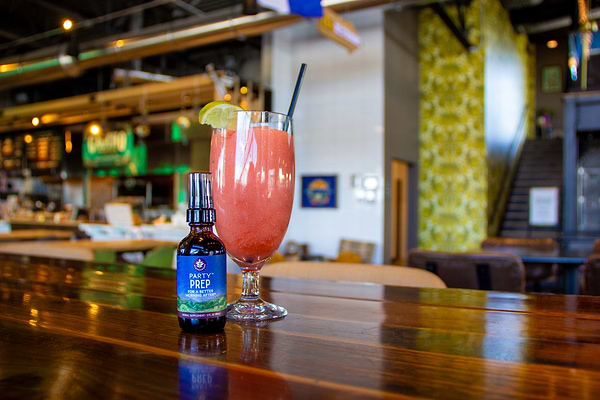
WishGarden’s Party Prep features Japanese raisin seed as a key ingredient in a thoughtful blend designed to support the body’s natural liver detoxification process and promote balance after a night of celebration.
This popular formula combines Japanese raisin seed with prickly pear fruit, chicory root, burdock root, and dandelion root. Together, these herbs help maintain healthy liver function and support the body’s normal metabolism of alcohol for a better next day.
The Japanese raisin seed encourages natural enzyme activity in the liver, helping your body process and recover more efficiently. Whether you’re a casual indulger or the life of the party, Party Prep helps you meet the morning feeling more balanced and ready to take on the day.
Sustainability and Sourcing
When selecting Japanese raisin products, prioritize suppliers who demonstrate commitment to sustainable harvesting practices. Wild populations face increasing pressure from commercial demand, making ethical sourcing essential for preserving this valuable botanical resource.
Look for organic certifications and transparent supply chains that support local communities where these trees naturally grow. Quality products should clearly indicate the plant part used and the extraction methods employed.
Japanese Raisin Tree FAQs
What are the benefits of the Japanese raisin tree?
The Japanese raisin tree (Hovenia dulcis), also known as the oriental raisin tree, has been valued in traditional medicine for centuries for its natural liver support and detoxification benefits. The plant contains beneficial flavonoids and free radical–scavenging compounds that help the body manage oxidative stress and maintain overall well-being. These same protective properties are often why the Japanese raisin tree is used to support balance following occasional alcohol consumption or dietary excess.
Modern herbal research continues to explore how Hovenia dulcis may help promote healthy liver function, metabolic balance, and general vitality. Its natural compounds, including dihydromyricetin, are also studied for their ability to support the body’s natural cleansing systems and cellular protection. This makes the Japanese raisin tree a valuable herbal ally for anyone interested in holistic wellness and daily liver support.
Which part of the Japanese raisin tree is the most medicinal?
Different parts of the Japanese raisin tree contain unique beneficial compounds, but the most medicinally active parts are the fruit stems and seeds. The sweet, edible fruit stalks (called peduncles) are traditionally used in teas and infusions, while the seeds contain concentrated flavonoids and other bioactive compounds that help the body maintain healthy liver function and protect against oxidative stress.
WishGarden Herbs utilizes the seed of the Japanese raisin tree in select formulas to capture its potent liver-supporting qualities in a safe and effective way that aligns with traditional herbal practices.
Are Japanese raisin trees edible?
Yes. The edible fruit stalks of the Japanese raisin tree become sweet and fleshy when ripe, giving the plant its common name. These fruit stems have been enjoyed for centuries across China, Japan, and Korea as both a food and an herbal ingredient. The flavor is mildly sweet, similar to natural candy or dried fruits, and the fruit can be eaten fresh or dried.
The young leaves of the Hovenia dulcis plant can also be used in teas or decoctions, but the edible fruit stalks remain the most popular part for culinary and wellness use.
How can you use the Japanese raisin tree for wellness?
The Japanese raisin tree can be prepared in many forms. Herbalists often use it as a tincture, tea, or powdered extract, depending on individual preference and wellness goals. A tea made from the dried fruit stalks offers a pleasant, naturally sweet flavor that pairs well with herbs like chamomile or ginger. Some people enjoy this tea after meals or during evening relaxation to support gentle detoxification and balance.
Liquid herbal extracts made with Hovenia dulcis are valued for their convenience and fast absorption, while dried fruit can be steeped as a daily tonic beverage. Whether you prefer sipping a warm infusion or adding a tincture to your wellness routine, the Japanese raisin tree offers flexible options for everyday use.
How big do Japanese raisin trees get?
In their native habitats throughout China, Korea, and Japan, Japanese raisin trees can grow 30 to 80 feet tall with wide, spreading canopies that create dense shade. These impressive trees thrive in warm, humid regions and can live for several decades. Their gray-brown bark becomes deeply furrowed with age, and each summer they produce small yellow-green flowers that develop into sweet, edible fruit stalks by late season.
When cultivated in gardens or small orchards, the oriental raisin tree can be pruned to maintain a more compact size while still producing abundant fruit. Beyond its visual appeal, the tree contributes to local biodiversity and is valued for both its beauty and its nutritional and herbal benefits.
Can the Japanese raisin tree support overall well-being?
Yes. Beyond its role in liver support, the Japanese raisin tree’s free radical–scavenging compounds help the body maintain healthy cellular function and resilience. Herbalists appreciate Hovenia dulcis as a restorative tonic that promotes natural detoxification and vitality, especially during times of stress or occasional overindulgence.
When combined with a healthy lifestyle, mindful nutrition, and high-quality herbal products, this traditional Asian botanical can play a supportive role in promoting long-term balance and wellness.
Natural Liver Support with Japanese Raisin Tree
The Japanese raisin tree beautifully bridges traditional herbal wisdom and modern understanding of wellness. Long valued in East Asian herbalism, this resilient plant continues to inspire interest for its gentle liver-supporting properties and its ability to help the body maintain balance during times of stress or overindulgence.
Modern research continues to explore how the Japanese raisin tree supports natural detoxification and overall well-being. Its unique compounds help the body manage oxidative stress and maintain healthy liver function, reflecting nature’s remarkable design for resilience and renewal.
As you explore natural approaches to wellness, consider the Japanese raisin tree as a trusted ally for supporting the body’s own cleansing and restorative rhythms. Whether you’re focused on liver support or simply seeking a more balanced daily routine, this time-honored botanical reminds us that nature often provides the most elegant solutions for lasting vitality.
Rebecca Younger aspires to spark an interest in herbs within her community through education and incorporating herbs into everyday life in exciting and innovative ways. She studied Herbal Medicine at Herbalism Roots in Denver. She is a customer journey representative at WishGarden Herbs.
For educational purposes only. This information has not been evaluated by the Food and Drug Administration. This information is not intended to diagnose, treat, cure, or prevent any disease, or sell any product


